Why do some fruit trees thrive while others struggle? We compare two community orchards and explore what soil biology can Read more
Beginner Fruit Tree Care: The Simple Practices That Help Your Trees Thrive
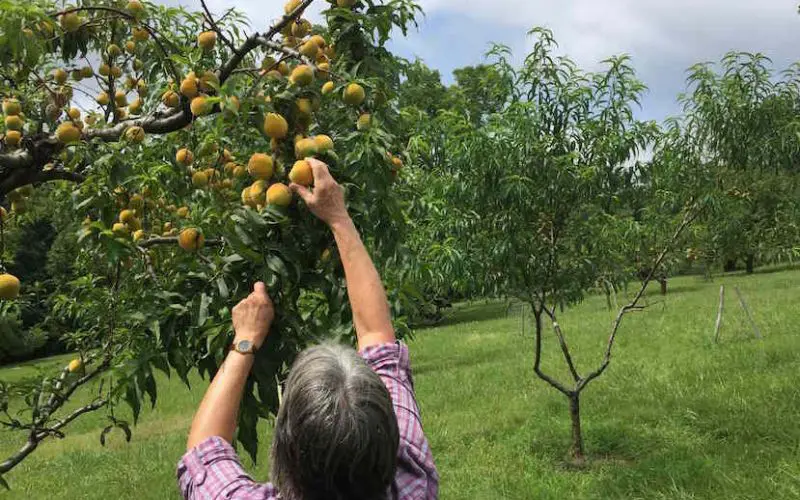
When I first started growing fruit trees, I thought I was doing everything right.
Back in 2009, we planted fruit trees in a small community park in Toronto. We mulched them, watered them, and cared for them the same way we cared for other garden plants.
But before long, problems started showing up. Pear leaves developed strange orange spots. Plum branches swelled and blackened with disease. Some trees declined so badly they had to be removed.
It was heartbreaking, but it was also the beginning of a much deeper learning journey.
Over time, working with fruit tree experts and studying the science around growing fruit trees, I discovered something important: beginner fruit tree care isn’t about doing more. It’s about doing the right things, in the right order, from the start.
I also realized something else that changed how I see fruit trees.
Fruit tree care is a relationship.
Like any relationship, it grows over time. You learn to notice small changes. You respond when the tree needs something. And gradually, you build trust in your ability to care for it. Once you understand what fruit trees need, growing them becomes much less stressful—and much more enjoyable.
In this article, we’ll walk through the core practices that help fruit trees stay healthy and productive.
If you're new to fruit trees, you might be wondering…
Many beginners start with questions like these:
- Which fruit trees are easiest to grow?
- Where should I plant my fruit tree?
- How often should I water it?
- Do fruit trees need fertilizer?
- How do I prevent pests and diseases?
The good news is that most fruit tree success comes from a handful of key practices. Once you get those right, everything else becomes much easier.
Beginner fruit tree care starts with choosing the right tree
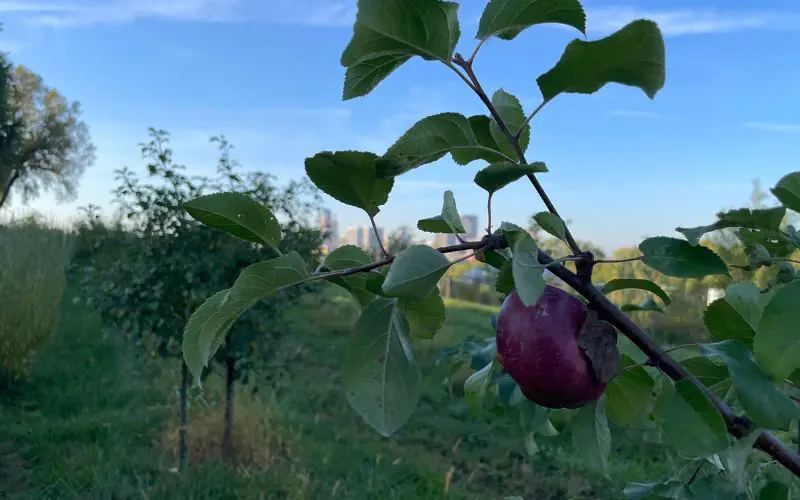
Most people choose fruit trees based on the fruit they love to eat. That’s understandable—but there’s a better question to ask first:
What fruit tree will actually thrive where I live?
Different varieties of fruit trees—called cultivars (think cultivated varities)—have different strengths and weaknesses. A cultivar is simply a named variety of a fruit tree, such as Bartlett pear or Honeycrisp apple.
Some cultivars are naturally more resistant to diseases. And disease resistance matters. That's because fruit trees can sometimes behave a bit like children in kindergarten—they can catch every disease that’s going around.
If apple scab, fire blight, powdery mildew, or brown rot are common in your area, choosing resistant varieties can make fruit tree care dramatically easier.
A few tips when buying fruit trees:
- Instead of buying your tree from a big box store, order from a specialist fruit tree nursery as they offer a wider range of cultivars.
- Use the nursery catalogue to identify disease-resistant options.
- Ask local growers or orchardists near you what cultivars grow well in your area.
- Order early because the best cultivars often sell out months in advance.
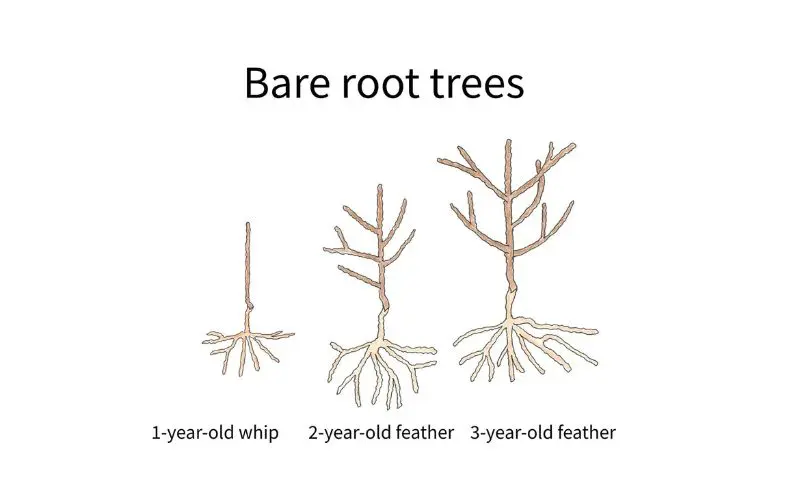
- Most nurseries will provide you with bare root trees. These dormant trees come without soil and are planted in early spring, so be sure to learn how to plant them properly for best results.
- Explore our articles on the best fruit trees to grow
Beginner fruit tree care depends on planting trees in the right place
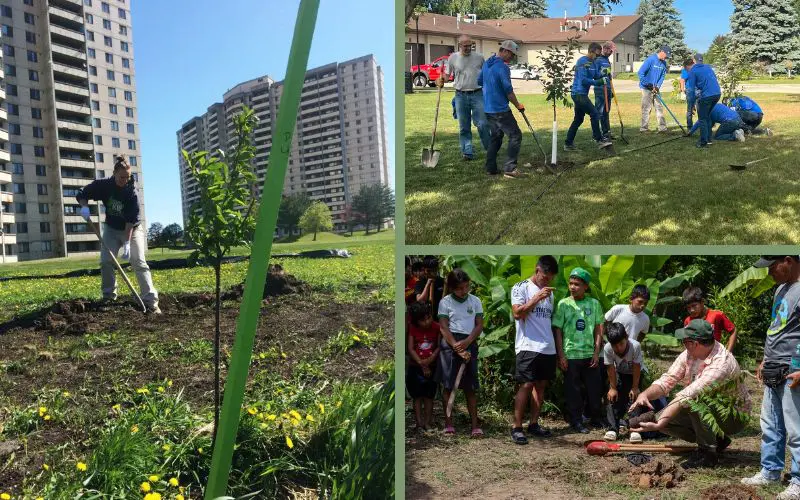
Even the healthiest tree can struggle if planted in the wrong location.
Fruit trees thrive when they receive:
- Full sun (at least 6–8 hours daily)
- Well-drained soil
- Room for roots to expand
- Access to water
Drainage is especially important.
Fruit tree roots need both water and oxygen. If soil stays soggy after rainfall, roots can suffocate or develop rot. Poor drainage also encourages fungal diseases.
So before planting, take a close look at your planting site:
- Does water pool there after rain?
- Is the soil compacted from construction or foot traffic?
- Are there nearby trees or shrubs competing for nutrients?
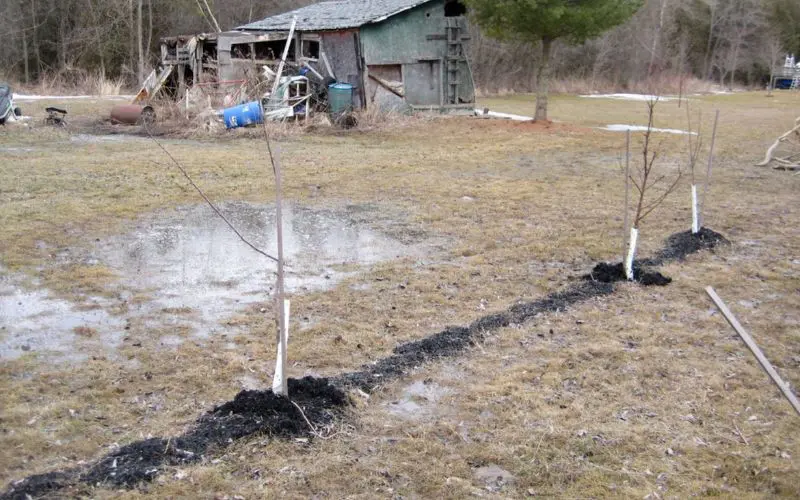
If your soil needs improvement, you may want to explore our guide on how to improve soil quality naturally.
Preparing the right environment for your tree is one of the most important steps in beginner fruit tree care.
Beginner fruit tree care means prioritizing root growth first
This next tip can be difficult for new fruit tree growers...
If your young tree produces fruit in its first two years, remove the fruit.
Yes—even though you planted the tree for the fruit.
Young trees need to focus their energy on establishing strong roots. If they try to produce fruit too early, that energy gets diverted away from root development.
Healthy roots support:
- stronger tree structure
- improved nutrient uptake
- better drought tolerance
- higher long-term yields
Think of those first years as an investment in the tree’s future.
Beginner fruit tree care gets easier when you water deeply and thoughtfully
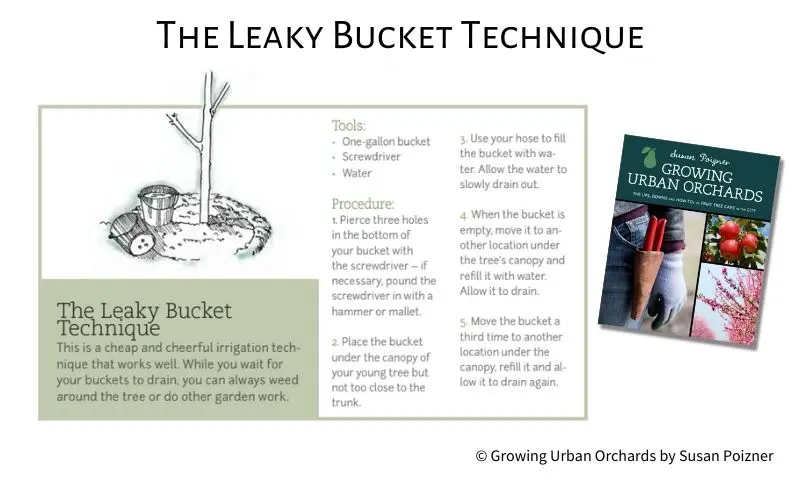
If you’re learning beginner fruit tree care, watering is one of the most important skills to get right.
Watering fruit trees isn’t just about preventing thirst—it’s also about feeding the tree. Trees can only absorb nutrients when they are dissolved in water. Without enough moisture, they struggle to feed themselves.
So it’s important to water newly planted trees well. As a rough starting point, many growers use about 5 gallons (20 litres) per watering—but always adjust based on how your soil responds.
The amount of water depends on your soil type. Heavy clay soil may need deep watering once or twice a week. Sandy soil, which drains quickly, needs lighter, more frequent watering.
A simple way to water your fruit trees:
- Water slowly, using a bucket or a gentle hose so the soil can absorb it.
- Watch how the water behaves. If it runs off, slow down. If it disappears quickly, your soil drains fast.
- Aim to soak the root zone deeply, rather than just wetting the surface.
- Let the water sink in fully before adding more.
- Check the soil before watering again—dig down a few inches. If it’s still moist, wait. If it’s dry, it’s time to water.
- Adjust as you go. Clay soils need slower, deeper watering. Sandy soils need smaller amounts more often.
For young trees, you might need to water about twice a week, though weather and soil type will influence the schedule.
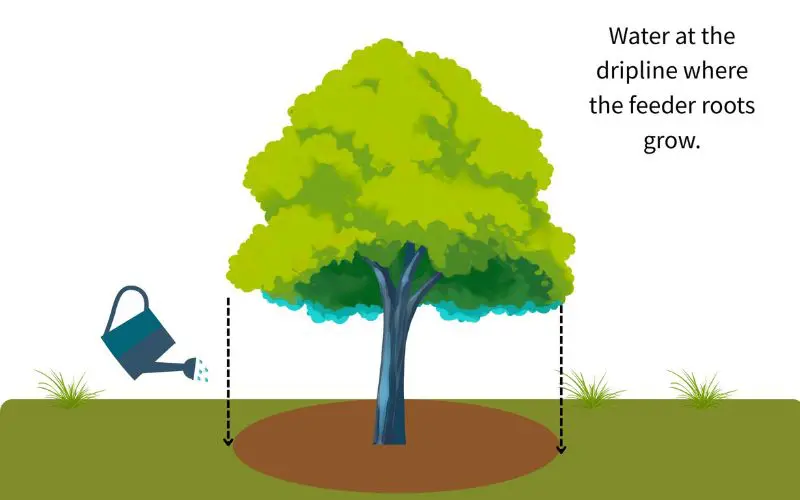
Try to keep water focused on the root zone, not the trunk or leaves. Wet foliage can encourage fungal disease.
If you'd like more detailed guidance, explore our article on the best way to water fruit trees and consider setting up a passive watering system too.
Beginner fruit tree care includes feeding the soil gently
Fruit trees do need nutrients—but they rarely need aggressive fertilizers.
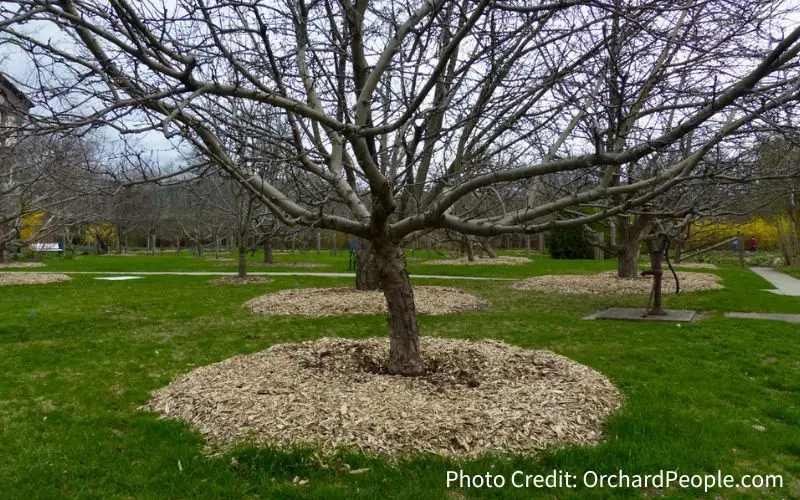
A simple and effective approach is spring mulching.
Apply:
- about 2 inches (5 cm) of compost, or
- about 1 inch (2.5 cm) of well-rotted manure
Top this with a couple of inches (5 cm) of arborist wood chips to help suppress weeds and protect the soil.
Spread mulch in a donut shape around the tree, extending toward the outer edge of the canopy where feeder roots are active. These fine roots are responsible for absorbing water and nutrients.
A few important tips:
- Keep mulch away from the trunk to prevent moisture buildup and bark rot.
- Don’t exceed a total mulch depth of 4–6 inches (10–15 cm), as overly thick layers can limit airflow and harm roots.
- Apply compost in early spring or early summer, when trees need nutrients most.
- Avoid fertilizing after mid-summer, as it can trigger late growth that may be damaged by winter cold.
Mulching also gradually improves soil structure, making it a key part of building healthy soil naturally.
Beginner fruit tree care improves dramatically with good orchard hygiene
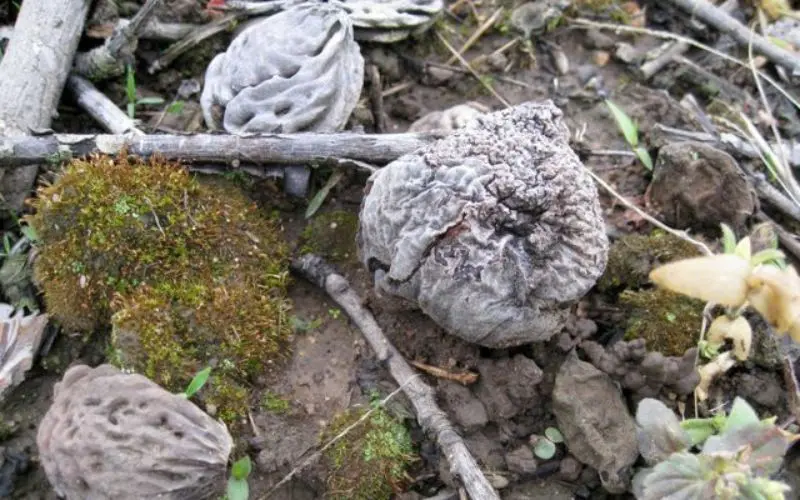
One of the most powerful disease-prevention strategies is also one of the simplest: Clean up.
Many pests and diseases spend the winter in fallen fruit, infected leaves, or pruned branches left under the tree. If those materials remain in place, the cycle continues the following year.
Good orchard hygiene includes:
- removing fallen fruit
- raking diseased leaves
- removing infected branches
- disposing of debris (do not compost diseased material)
Good hygiene prevents many common fruit tree problems. This small practice can dramatically reduce disease pressure.
Beginner fruit tree care also includes pruning and protecting fruit
Pruning fruit trees helps create a healthy structure.
Unlike ornamental trees, fruit trees are pruned regularly to:
- allow sunlight into the canopy
- improve air circulation
- reduce disease risk
- strengthen branch structure
- keep trees small enough to harvest easily
Pruning begins early—often on the very day you plant your bare root tree. Over time, it helps create an open canopy that supports healthy growth and high-quality fruit.
If you’re new to pruning, don’t worry—it’s easier than it sounds. You can learn the basics in our guide to pruning young fruit trees, and explore pruning techniques for older trees here. If you want to dig really deep into the science and art of pruning, my Fruit Tree Pruning book may be helpful.

Another helpful tool for organic pest prevention is fruit protection bags, sometimes called orchard socks. These small nylon bags are placed over young fruit (about 1 inch in diameter) to prevent insects from laying eggs in the fruit. Many growers use them on apples, pears, and Asian pears.
Beginner fruit tree care becomes easier when you monitor trees weekly
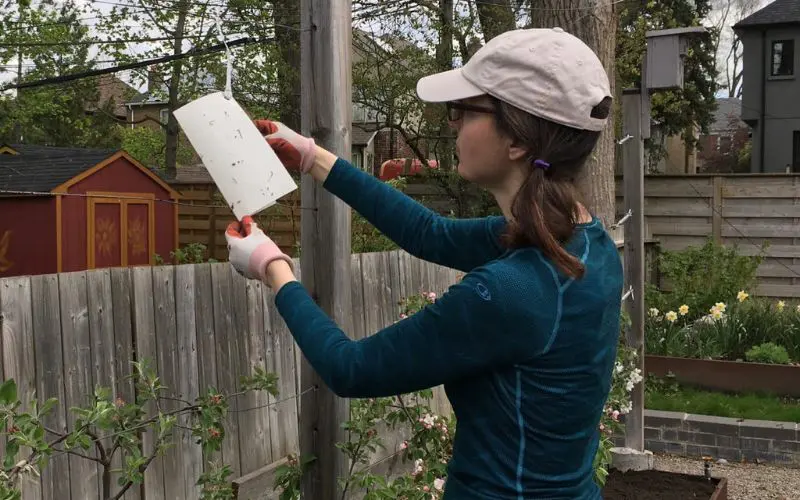
One of the most helpful practices you can develop is regular monitoring, also called scouting.
Each type of fruit tree has a short list of common pests and diseases. When you know what to look for, you can often stop problems early.
Try checking your trees once a week during the growing season.
Look closely at:
- leaves
- fruit
- branch tips
- bark
- new shoots
If something looks unusual, investigate early. Sometimes pruning out a small infected area is enough to prevent a much larger issue. Monitoring your trees is one of the ways that relationship deepens. The more time you spend observing your tree—its leaves, its fruit, the rhythm of its growth—the more easily you’ll notice when something is wrong and respond early.
A quick beginner fruit tree care checklist
If you’re just getting started, focus on these core practices to keep your fruit tree healthy and productive:
- Choose disease-resistant fruit tree varieties.
- Plant trees in sunny, well-drained locations.
- Allow young trees to build strong roots before fruiting.
- Water based on your soil—deep and less frequent in clay, lighter and more frequent in sandy soil.
- Feed soil gently with compost mulch.
- Keep the orchard floor clean.
- Monitor trees regularly for pests and disease.
These simple steps form the foundation of successful beginner fruit tree care.
Fruit trees reward patience and curiosity

Growing fruit trees is really a relationship.
Over time, you learn how your tree responds to weather, pruning, watering, and care. You begin to notice small changes in the leaves or fruit. And each season teaches you something new.
When you approach fruit tree care this way—not as a set of rigid rules, but as an ongoing relationship—the whole process becomes more rewarding and far less intimidating.
If you’d like to go deeper, you can explore my fruit tree care books at OrchardPeople.com/books.
Grow
Fruit Trees
That Thrive
Fruit Trees
That Thrive
Sign up for our newsletter and get this free eBook
Sign up for our newsletter and get this free eBook

Susan Poizner
Award-winning author, podcaster, fruit tree care educator and creator of the fruit tree care education website OrchardPeople.com. Learn more about Susan on the about us page.
YOU MAY ALSO BE INTERESTED IN

Why do some fruit trees thrive while others struggle?
Why buy a young whip if there are large fruit trees for sale?
Should you pay more for a larger fruit tree to plant in your garden? Will that lead to a healthier Read more

When to prune fruit trees
Wondering when to prune fruit trees? In this blog, we explore which trees benefit most from winter pruning and when Read more

Holistic Sprays for Fruit Trees
Discover how holistic sprays for fruit trees may help prevent fruit tree pests and diseases by boosting your tree's health.