Beginner fruit tree care doesn’t have to be complicated. Learn the simple habits that help fruit trees thrive - from Read more
Are bee hotels safe? Or are they a death trap for native bees?

In recent years, bee hotels - also known as bee condos - have become quite popular. You can find DIY bee hotel instructions online or you can buy ready made bee condos on the internet.
And some of the bee condo designs are incredibly creative! In Vancouver, B.C. the Environmental Youth Alliance took a decommissioned phone booth and turned it into a bee hotel that buzzes with life during the summer months.
But the question is - are bee hotels safe for bees? Indeed, a Toronto-based researcher discovered that some parasitic insects see bee hotels as an all-you-can-eat buffet. And their favourite prey is (you guessed it!) native bees.
Create A Bee Hotel - From An Old Phone Booth!

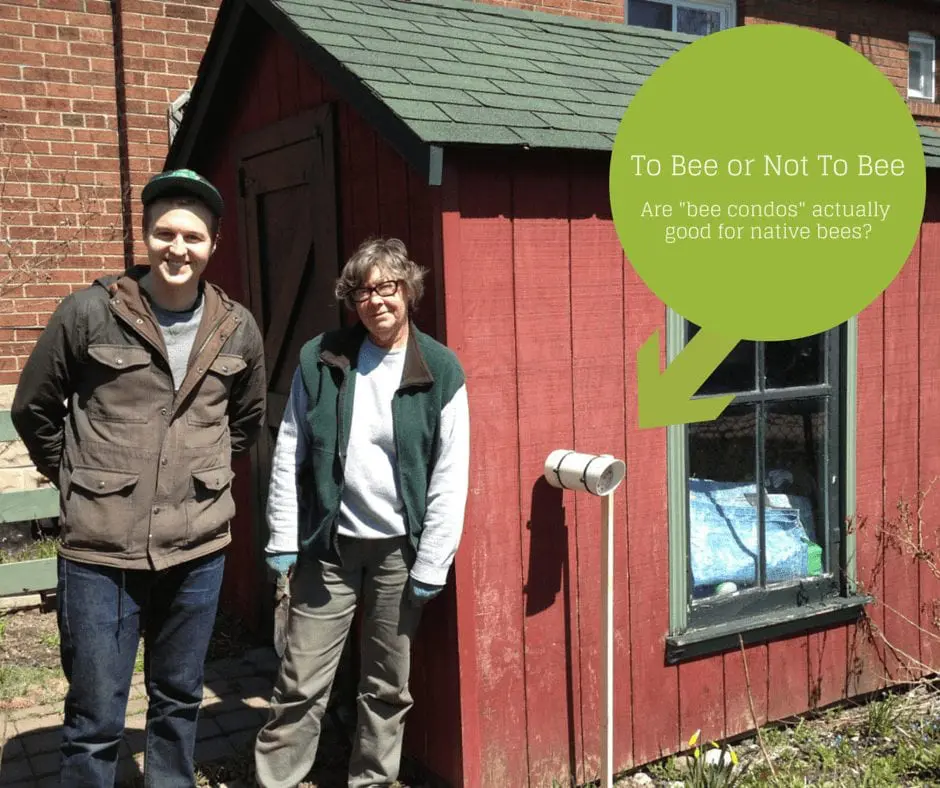
Studies show that sometimes bee hotels are not safe for native bees
Researcher Scott MacIvor discovered that native bees weren’t the only residents of the 200 bee hotels he set up across Toronto from 2011-2013.
“There are a lot of different insects and animals that use dark and dry holes to make a nest, including native bees,” McIvor says. “We wanted to discover who was using these bee hotels through our study.”
At the end of the season, Scott collected these boxes and inspected the contents. What he found was surprising:
- 50% of the “bee condo” occupants were wasps
- 25% were non-native or introduced bees
- just 25% were native bees
- Other occupants included spiders, birds and even a mouse!
There were a lot of wasps residing in bee condos. But McIvor says that's not a bad thing if you are growing fruit trees and fruiting plants. That's because wasps eat insect pests including aphids, caterpillars, inch worms, and beetle grubs.

Grow
Fruit Trees
That Thrive
Fruit Trees
That Thrive
Sign up for our newsletter and get this free eBook
Sign up for our newsletter and get this free eBook
Is installing a bee Hotel a bad idea?
So we know that sometimes bee hotels are not safe for bees. Does that mean installing a bee hotel is a bad idea? Not necessarily. But MacIvor says that some bee hotel designs are better than others. If you have your heart set on creating a bee hotel, opt for a design from a respectable site like xerces.org.
There are also ways to help native bees. One important one involves planting colourful flowering plants that offer these beneficial insects food and habitat throughout the growing season.
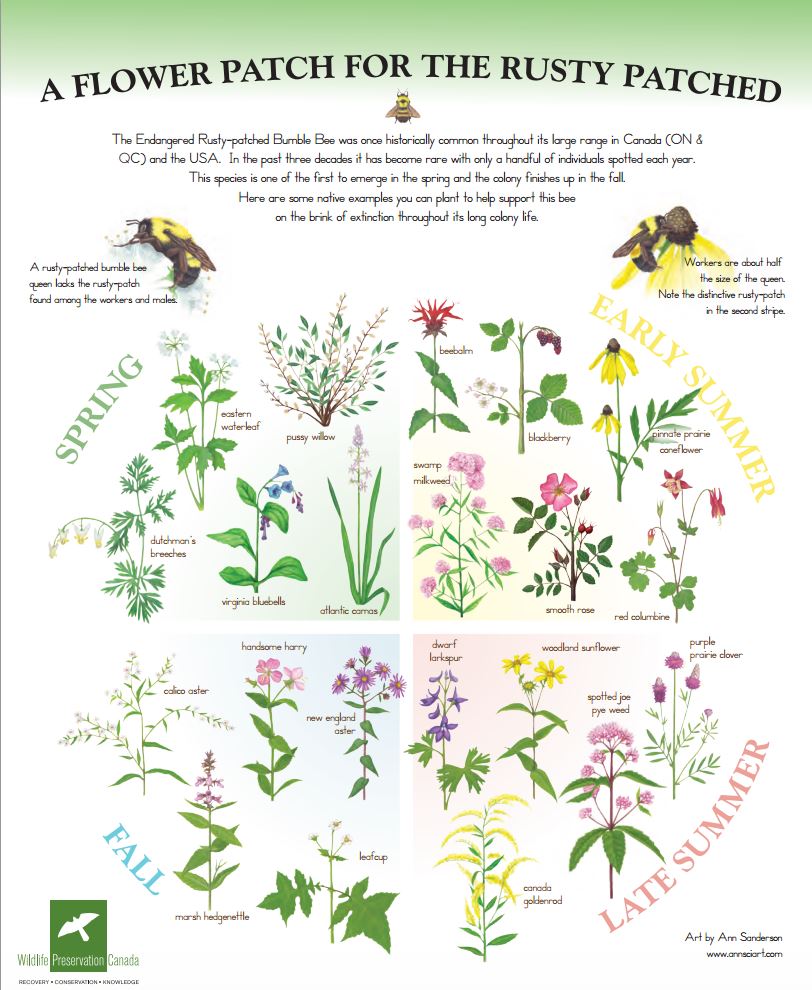
Better than a bee hotel..."bee" a good gardener!
Here are MacIvor's recommended ways to help boost native bee populations:
- Plant a diverse range of colourful flowers for the bees, including perennials, native plants, and of course, fruit trees!
- Plant raspberries or lilacs, as native bees use their leaves for nesting materials.
- Put a dish of water in your garden for the bees, and refresh it daily.
- Install a rock garden on a southeast facing slope to attract ground nesting native bees.
- Be a messy gardener! Don’t clean up your garden too much before the winter, as bees can nest in flower stems or use the pithy or woody stems of burning bush, sumac, elderberry, or berry canes to nest in.
Bee Garden Design with Lorraine Johnson
Bee Garden Design
If you're committed to planting a bee garden, you can learn a lot from Lorraine Johnson's free book called A Flower Patch for The Rusty-Patched Bumble Bee. In the book she explains how to use native plants like Bee Balm, Spotted Joe Pyweed and Pussy Willow to create a garden that will provide habitat to native bees. Learn more about it in the podcast below.
Sometimes the best way to help native bees, according to MacIvor, is to leave them alone.
“We need to broaden the conversation [about native bees and how to help them],” says MacIvor.
“A good way to contribute to native bee population is to be out in nature and observe nature, and find where they are nesting and leave that area alone. That’s one great way that we can encourage native bees.”
OLD APPLE TREE PRUNING with Orchard Educator Bob Lever 🌳🍎🍏
Further Reading on Bee Hotels
Scott MacIvor's study: http://journals.plos.org/plosone/article?id=10.1371/journal.pone.0122126
Learn more about native bees: http://www.xerces.org/
Excellent reading on bees: The Xerces Society Guide - Attracting Native Pollinators: Protecting North America's Bees and Butterflies (Foreword by Dr. Marla Spivak)

Susan Poizner
Award-winning author, podcaster, fruit tree care educator and creator of the fruit tree care education website OrchardPeople.com. Learn more about Susan on the about us page.
YOU MAY ALSO BE INTERESTED IN
Beginner Fruit Tree Care: The Simple Practices That Help Your Trees Thrive
A tell-tale sign of tree stress: Causes of gummosis on your cherry tree
If you see sticky goop oozing out of your cherry tree, it is gummosis. What are the causes of gummosis? Read more
5 Steps to Preparing Fruit Trees for Winter (and Preventing Winter Damage)
Fruit trees can sustain damage during the cold winters. Here's how to prepare your fruit trees to protect them from Read more
Holistic Sprays for Fruit Trees
Discover how holistic sprays for fruit trees may help prevent fruit tree pests and diseases by boosting your tree's health.