From their vivid color to their complex flavors and growing conditions, red fleshed apples invite us to look more closely Read more
How to Choose the Right Fruit Trees: A Beginner's Guide
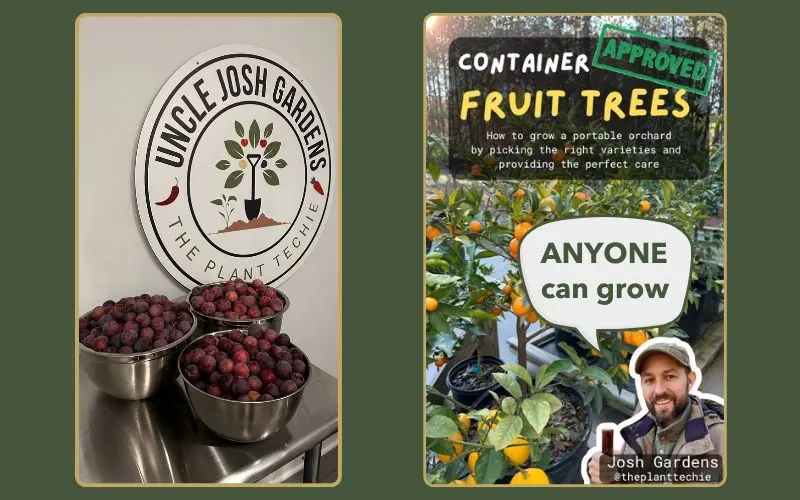
Choosing the right fruit trees can be daunting, especially for beginners looking to start their own garden. In a recent episode of our podcast, I had an fun conversation with Josh Davis, a Master Gardener and social media personality known as Uncle Josh Gardens @theplanttechie.
If you're like me, you might be a bit particular about where you source your fruit trees. I usually get my trees from specialist fruit tree nurseries because I rely on their quality and the wide range of cultivars they carry. Many nurseries will also offer the option of potted and bare root trees.
But, Josh opened my eyes to the possibilities of finding healthy, productive fruit trees in unexpected places and at bargain prices.
Together, we explored how to select healthy fruit trees, get great deals, and set your garden up for success.
Fruit Tree Buying Tips from a Master Gardener
Josh Davis is a seasoned gardener in South Carolina who is proud of his unconventional methods of sourcing fruit trees. “I get my trees from all over,” Josh explains, highlighting Craigslist, Facebook, and even roadside stands as his go-to places. His extensive experience allows him to mix specialist nursery trees with those from big box stores, and he has tips for ensuring you get a healthy tree no matter the source.
Top Tips for Selecting Healthy Fruit Trees
Josh offers insightful tips that are beneficial whether you’re buying from a big box store or a nursery:
- Look for Younger Trees: Bigger isn’t always better. Younger trees are often healthier and easier to train to your desired shape.
- Check the Roots: Don’t hesitate to pull the tree out of the pot to inspect the roots. Encircling roots or a buried root flare can spell trouble down the road.
- Inspect for Diseases: Be vigilant and aware of common diseases in your area. Josh recalls spotting plum trees infected with coryneum blight, known as "Shot hole disease" at a store and taking the time to inform the staff.

How to Find Cheap Fruit Trees Without Sacrificing Quality
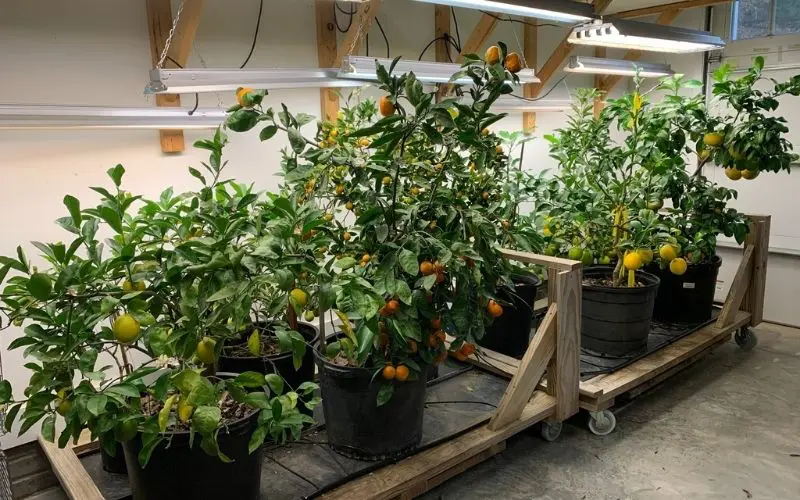
Josh’s has a knack for finding deals and explains how negotiating helped him get a variegated Minneola Tangelo for a steal. “You never know until you ask,” he says, explaining that managers might offer discounts on less-than-perfect specimens.
Common Fruit Tree Mistakes and How to Avoid Them
If you have a large property and if one or two trees don’t pan out, it may not be a big deal.
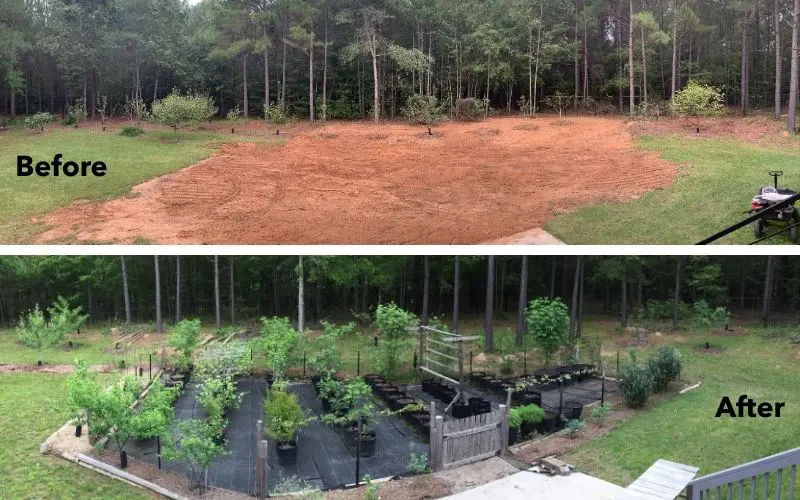
But for those of us working with a small backyard and space for just a couple of fruit trees, we need to be a little more strategic. If you're hoping for organic, homegrown fruit without a ton of hassle, here are a few common fruit tree mistakes you’ll want to avoid—and how to set yourself up for success instead.
1. Ignoring Your Plant Hardiness Zone and Chill Hours
This is a biggie. A tree that thrives in Florida won't be happy in Minnesota. Before you buy, check your USDA Plant Hardiness Zone and make sure your chosen tree is a match. You can listen to our podcast episode on choosing trees for your climate for more on this.
Ignoring this simple step can mean a short, unfruitful life for your tree—or even no fruit at all. It’s heartbreaking to watch your lovingly planted tree fail just because it wasn’t suited for your winters.
“Knowing your chill hours is really important,” Josh emphasizes. Inadequate chill hours can lead to non-fruiting trees, a common pitfall for new growers. We talk more about apple trees that thrive in warm climates in this podcast episode and article.
2. Forgetting About Pollination Partners
Some fruit trees, like certain apples, pears, and plums, aren’t self-fertile. That means they need a buddy nearby—another compatible tree to help with pollination. Without it, you could be waiting forever for fruit that never arrives.
Before you buy, do a little research to find out if your tree needs a pollination partner, and if so, which ones will do the job. The nursery tag won’t always tell you everything, so it pays to dig a bit deeper.
3. Choosing the Wrong Cultivar for Disease Resistance
Not all varieties of the same fruit are created equal. Some cultivars have been bred to resist common fruit tree diseases—think apple scab, fire blight, or peach leaf curl. Choosing disease-resistant varieties gives you a much better shot at growing healthy fruit organically.
4. Overlooking Rootstock
This is one of those behind-the-scenes details that makes a huge difference. Most fruit trees are grafted, which means the top (the fruit-producing part) is joined to a different rootstock that controls the size, vigor, and even the disease resistance of the tree.
If you only have space for a small tree, or if you don’t want it to block all your sunlight in a few years, rootstock choice is critical. A standard tree might grow 20+ feet tall, while a dwarf or semi-dwarf rootstock can keep things much more manageable.
Now, one thing to keep in mind... dwarf or semi-dwarf trees, while their size may work for your space, typically don't live as long.
We have a great article on apple tree rootstocks if you want to dig deeper.
Grow
Fruit Trees
That Thrive
Fruit Trees
That Thrive
Sign up for our newsletter and get this free eBook
Sign up for our newsletter and get this free eBook
Beginner-Friendly Fruit Trees
Josh suggests starting with figs, mulberries, and certain berries, which are often reliable and less demanding. These fruiting trees and bushes provide ample fruit without the need for cross-pollination or extensive care.
Learn more about beginner-friendly fruit trees in these podcasts: mulberries in a foodscaping context, figs (growing indoors during the winter and propagation), "no fuss fruits", and "easy berries".
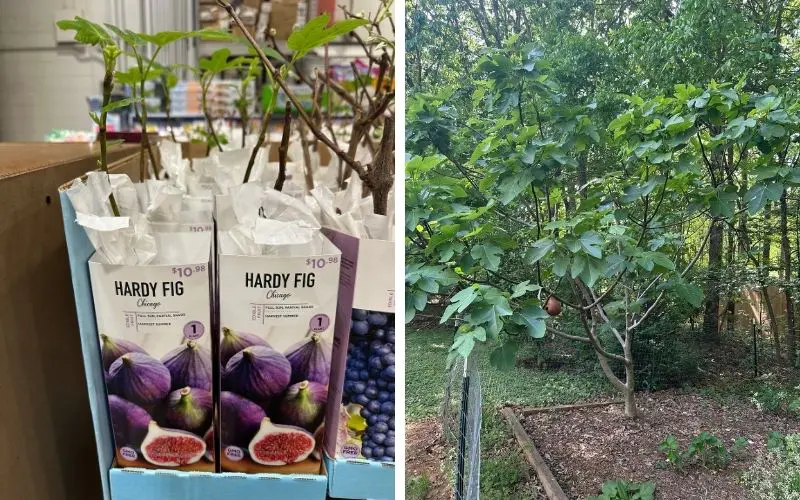
Left: hardy fig trees in container boxes. Right: the original fig tree was eaten by deer, but the trees propagated from cuttings live on! Photo Credits: Josh Davis
Learning from Mistakes: Josh’s Gardening Journey
Josh candidly shares his mistakes—like planting cedar trees near apples, inviting cedar apple rust. His advice: Start small. Don’t overwhelm yourself with too many plants and tasks at once.
Don’t Be Afraid to Ask for Help
A recurring theme in our conversation was about seeking advice. Josh recommends talking to experienced growers or nursery staff before making decisions, which can prevent expensive and disappointing mistakes.
Final Thoughts
Choosing the right fruit trees requires research, patience, and a touch of boldness. If you’re ready to start your fruit-growing journey, consider these takeaways and listen or watch the full podcast episode below for more insights.
How to Choose the Right Fruit Tree with Josh Davis (Eps 116)
For more information or to explore fruit tree care, consider checking out my book, "Grow Fruit Trees Fast," or subscribing to the Orchard People newsletter. Join us next month as we explore another fascinating aspect of fruit tree care.
Explore the podcast episode and further resources on choosing and caring for fruit trees by visiting podcast.orchardpeople.com/episodes.
Happy growing!

Susan Poizner
Award-winning author, podcaster, fruit tree care educator and creator of the fruit tree care education website OrchardPeople.com. Learn more about Susan on the about us page.
YOU MAY ALSO BE INTERESTED IN
Red-Fleshed Apples: What They Taste Like, How to Grow Them, and Why They’re So Interesting
Let The Sunshine In: Indoor Lemon Tree Care
If you live in a cold climate, growing a lemon tree indoors is still possible. Learn how in this article.

A Superfood in your Garden: How to Grow Seabuckthorn Plants
Learn how to grow nutrient-rich Seabuckthorn berries with plant breeder Bill Schroeder of Agriculture and Agri-Food Canada.

Bush Cherry vs Dwarf Cherry Tree: Best Picks for Your Small Garden
Dwarf cherry tree, or cherry shrub: which is a better choice for your small garden?