Why do some fruit trees thrive while others struggle? We compare two community orchards and explore what soil biology can Read more
Apple Tree Rootstocks Explained: How to customize your apple tree for your unique conditions
Have you ever wondered why one person's apple tree shoots up, reaching impressive heights in no time, while someone else's, planted with the exact same cultivar, takes its sweet time to grow and bear fruit? It's not magic or luck; it's all about the rootstock.
The choice of apple tree rootstock plays an important role in the tree's growth and fruit production. With so many options available, choosing the right rootstock can be a game-changer so in this article we will explore the different apple tree rootstocks available to help you choose one that will give you the ideal tree for your garden.
What is apple tree rootstock?
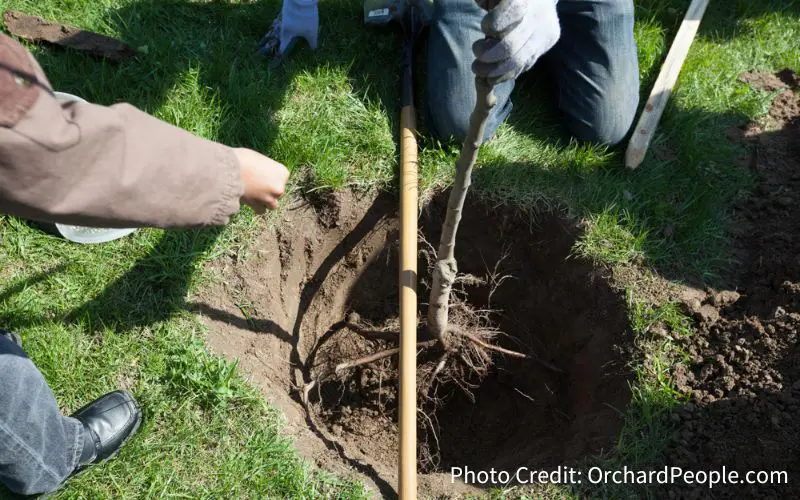
Apple tree rootstock refers to the lower part of an apple tree onto which a different apple variety (the scion) is grafted. The rootstock determines many of the tree's characteristics, while the scion determines the apple cultivar or the type of fruit the tree will bear. Nurseries use fruit tree grafting to merge the scion and rootstock together to create a single tree.
But what’s the point? Why bother merging two trees together when you can just grow an apple tree from seed? Well, when you grow an apple tree from seed, the resulting tree will be genetically unique. It will probably not produce fruit that looks or tastes like the apple that the seeds came from. Grafting ensures that the fruit will be identical to the variety of the scion used.
Not only do apple trees grafted onto rootstocks give you a predictable harvest, they have other benefits too including:
- Size control: Some rootstocks will help you keep your fruit tree small so that it’s easy to care for, prune and harvest.
- Disease resistance: Some apple tree rootstocks are resistant to common apple tree diseases like phytophthora, viruses and fire blight, making the tree easier to grow successfully.
- Soil adaptability: Some rootstocks have been selected to thrive in heavy clay soil while others might be drought resistant.
- Early fruiting: Apple trees grown from seed can take up to a decade to produce fruit. But some apple rootstocks speed up the process, allowing you to enjoy your first harvest two or three years after planting your tree.
- Cold hardiness: Cold weather can be hard on fruit trees! Cold hardy rootstocks are helpful for those who live in colder, Northern climates.
- Yield efficiency: Many dwarfing rootstocks limit tree growth and instead channel saved nutrients into producing fruit rather than wood!
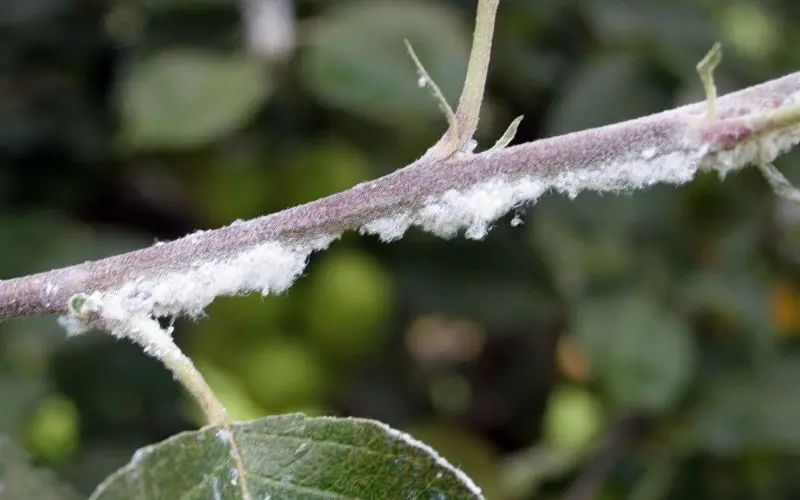
- Woolly apple aphid resistance: This insect feeds on the roots of fruit trees and migrates up each year into the top parts of the trees. Some rootstocks are resistant to this pest.
So how do you choose an apple tree rootstock for your garden? For the home grower, the first question to ask is how large you want your apple tree to be when it is mature.

Rootstocks are divided into three classes: Dwarf, semi-dwarf, and standard.
Dwarf Apple Tree Rootstocks
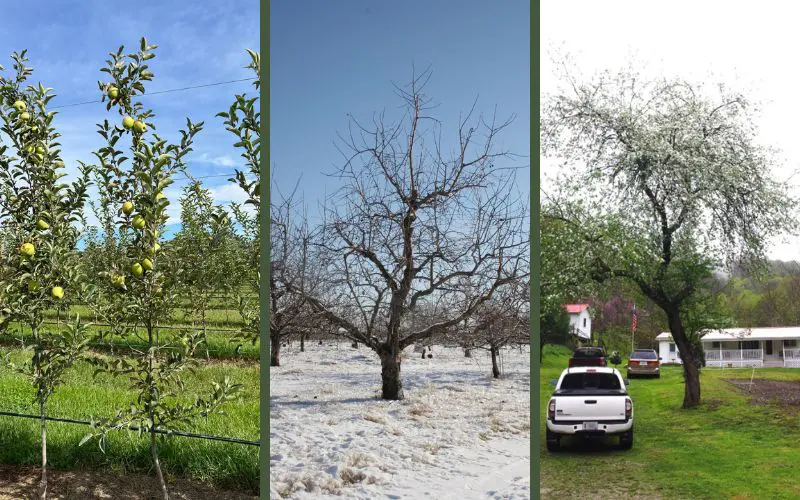
Apple trees grafted onto dwarf apple rootstocks grow to be between 25% and 45% the size of a full-sized tree at maturity. So they may never grow to be taller than 6-12 feet (2-3.5 meters). This is wonderful if you have a small garden.
But the downside is that while a full sized apple tree can live for 100 years or more, a dwarfing apple tree may live and be fruitful for just 15-20 years. And dwarfing apple trees can be fragile and need to be trellised or staked.
But here are the benefits of dwarfing apple tree rootstocks.
- Dwarf apple tree rootstocks are used in commercial orchards because they are easy to harvest and can produce a lot of fruit per square foot when they are densely planted.
- Dwarf apple tree rootstocks are “precocious,” meaning that they can start to bear fruit as young as 1-2 years old.
- Apple trees on dwarfing rootstocks stay small even when they are mature so they are easy to prune, spray for pests and diseases, and harvest efficiently.
- Examples of dwarf rootstocks include M.9, Bud.9, and G.11.
Semi Dwarf Apple Tree Rootstocks
Semi-dwarf trees are ideal for growers who want a vigorous, sturdy tree but don’t have space for a full size apple tree. They range from 50% to 75% the size of a standard apple tree, or 12 to 20 feet tall (3.5-6 meters).
M9? G41? Apple Rootstocks Explained with John Strang ( Eps 88)
And semi-dwarf apple tree rootstocks have lots of benefits too.
- Each individual semi-dwarf apple tree can yield more fruit than a dwarf apple.
- Semi-dwarf rootstocks produce strong, sturdy trees with stable graft unions, making them a safe choice in gardens and parks where people might climb trees.
- Semi-dwarf trees can start bearing 3-5 years after planting, which is much faster than trees planted on seedling rootstocks
- The most common semi-dwarf apple rootstock is MM111.
Standard or Full Sized Apple Tree Rootstocks
Standard rootstocks have the same size range as apple trees grown from seed which means that they can grow up to 40 feet tall!
- Standard apple tree rootstocks will have huge root systems which make them strong, stable and able to live a very long time.
- Some standard apple tree rootstocks have excellent cold tolerance. One of the most popular is a Russian rootstock called Antanovka.
- Long lived apple trees like this are wonderful for the environment because as they get older they sequester more carbon, helping to mitigate the effects of climate change. Older trees also develop complex ecosystems around them supporting a variety of organisms including birds, insects and fungi.
Grow
Fruit Trees
That Thrive
Fruit Trees
That Thrive
Sign up for our newsletter and get this free eBook
Sign up for our newsletter and get this free eBook
Apple tree rootstocks and pest/disease resistance
Once you know what size you want your tree to be when it’s mature, it’s good to whittle down your choice by choosing a rootstock that also offers resistance to common fruit tree diseases.
Here are a few of of the problems that your choice of apple tree rootstock can help you with.
- Wooly apple aphids live on the root system of the tree for most of the year. In the spring, they migrate up to the top of the tree to suck nutrients out of the new growth.
- Fire blight is a bacterial disease that infects trees while they bloom. Resistant rootstocks can help keep the disease from being fatal.
- Phytophthora, also called crown root rot, is a fungal disease that thrives in wet soil. It kills trees quickly just as they get old enough for full production.
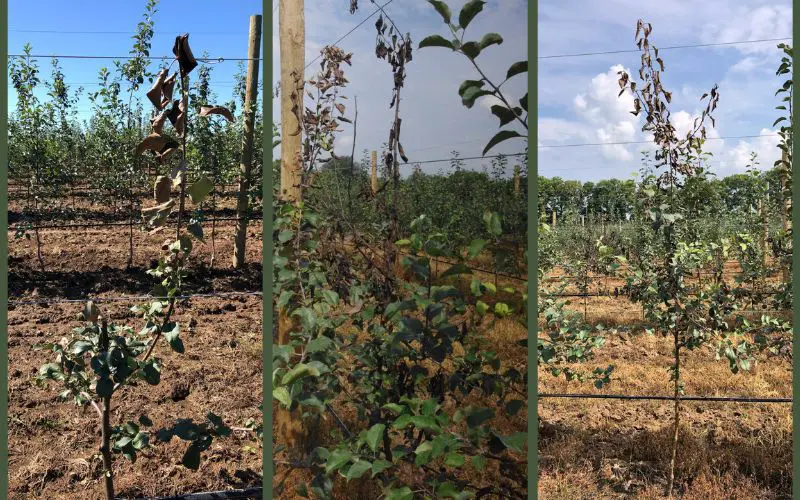
While these rootstocks can be very effective, disease resistant doesn’t mean that the tree will be immune. If the conditions are right, it may become infected.
Scroll through the chart below to see a comparison of various apple rootstocks and their resistance to pests and diseases including wooly apple aphids and fire blight.
The source of the data below is "Pest susceptibility of common apple cultivars and rootstocks" by Kristy Grigg-McGuffin, OMAFRA Apple IPM Specialist. In Fruit & Vegetable Magazine, Feb 2024. In the spreadsheet S stands for "susceptible" and VS is "very susceptible", T means "tolerant" and R means "resistant".
You can dig into lots of detail about the various types of apple tree rootstocks available in this podcast interview on apple tree rootstocks with John Strang, Retired Extension Fruit and Vegetable Specialist from the University of Kentucky.
What are the Best Apple Tree Rootstocks for Drought or Wet Soil
Apple trees don’t like “wet feet,” so if you plant an apple tree in a swampy location, it may struggle with root rot and fungal diseases. However, there are some apple rootstocks that can thrive in waterlogged or poorly drained soils. One great option is the Pacific Crabapple (Malus fusca), also known as Swamp Crabapple, which is well-suited to wet environments like riverbanks and coastal areas. While less common in commercial orchards, it’s an excellent choice for wet sites due to its natural adaptation to excess moisture.
For drought-prone areas, the best apple tree rootstocks for drought include M.111, a semi-dwarfing rootstock that produces strong, resilient trees capable of handling dry and poor soil conditions. Another excellent option for dry environments is Bud 118, a hardy and vigorous rootstock with good drought tolerance. Both rootstocks are popular for their ability to thrive in challenging, dry environments while still supporting healthy apple tree growth.
How to find the best apple rootstock for your tree
If you buy your new apple tree from a big box store or garden center, you may not be able to find out what type of rootstock the tree is grafted onto.
So your best bet is to source your tree from a specialist fruit tree nursery. Their catalog will outline what rootstock the tree is on and the final size you can expect it to be.
Before you make your final decision, there are other things you will want to consider including the tree’s hardiness zone, pollination requirements and other factors. You can learn more about that in my book Fruit Tree Garden Design.
And one more thing to consider: the best rootstock for your apple tree may be the one you graft yourself! Check out Orchard People’s guide to grafting your own fruit trees.

Susan Poizner
Award-winning author, podcaster, fruit tree care educator and creator of the fruit tree care education website OrchardPeople.com. Learn more about Susan on the about us page.
YOU MAY ALSO BE INTERESTED IN
Why do some fruit trees thrive while others struggle?

When to prune fruit trees
Wondering when to prune fruit trees? In this blog, we explore which trees benefit most from winter pruning and when Read more
When to Plant Bare Root Fruit Trees?
When to plant bare root trees? The best time to plant bare root trees is in the spring or fall Read more
How to Prune Old Apple Trees to Produce Better Fruit
Learn how to prune old apple trees.Pruning these old fruit trees will result in better quality fruit and habitat for Read more