Not sure which fruit trees will thrive where you live? Climate plays a much bigger role than most people expect. Read more
Best Plum Trees to Plant and Grow: Finding the Perfect Fit for Your garden
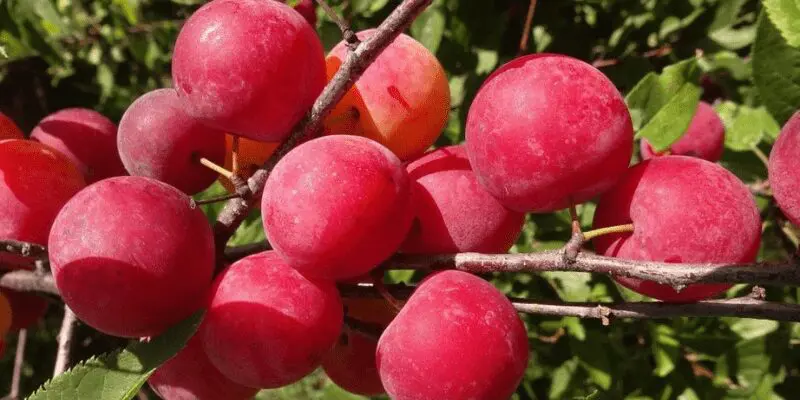
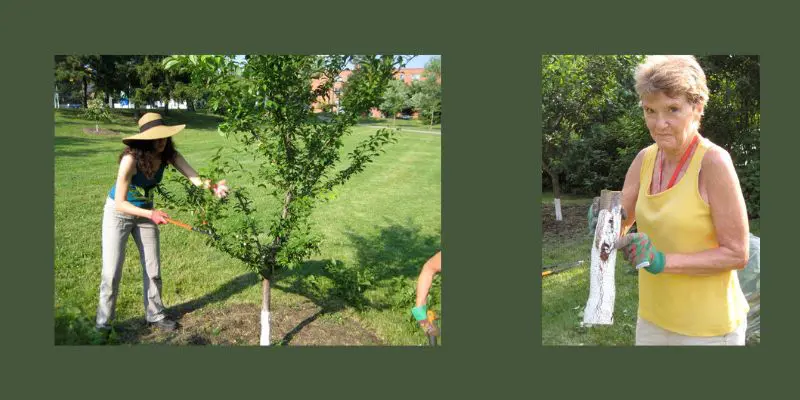
In 2009, I planted three Japanese plum trees in my community orchard in Toronto, Canada. We bought three different cultivars and were so excited to care for these trees and enjoy the harvest.
But within a few years, all three trees had horrible black growths on the branches. As it turns out, it was black knot – a fungal disease that affects many European and Japanese plum trees. This disease doesn’t just look bad. It also spreads quickly, weakening the tree, slowing production, and inevitably leading to tree decline and death.
So, we pruned out the infected branches and removed them from the site to prevent the fungal spores from spreading. In the end, the disease got to the trunk of two of the trees and we had to cut them down. It was heartbreaking, but it taught me an important lesson: sometimes, the best plum trees to plant and grow are not the ones you expect.
Luckily, if you want to grow plum trees, there are plenty of options – some far more disease-resistant than the popular Japanese and European varieties. Let’s start with an often-overlooked alternative: Native North American plums.
Native North American Plums: Hardy and Resilient
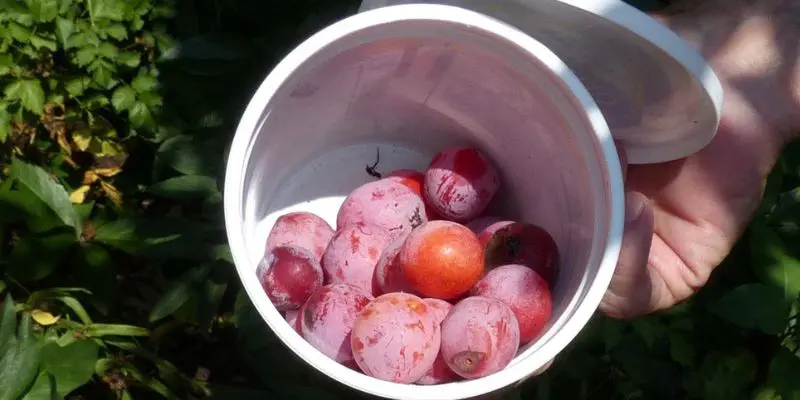
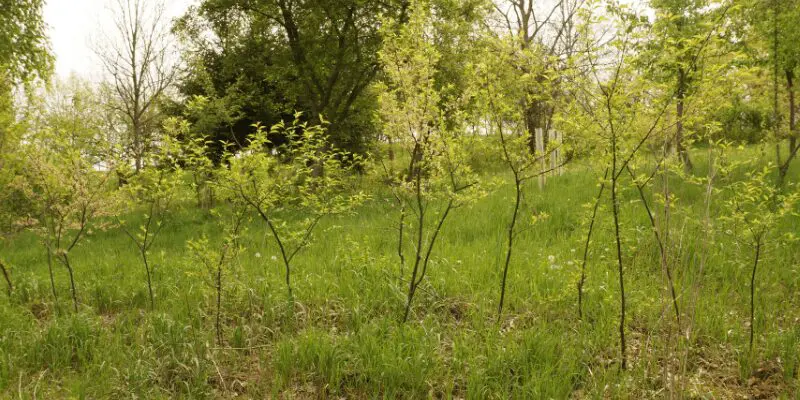
Native North American plum trees, also known as wild American plums, are smaller and more disease-resistant than their Japanese and European counterparts. These trees grow naturally across North America and adapt well to local conditions, making them some of the best plum trees to plant if you’re looking for hardiness and ecological benefits.
How Are Native Plum Trees Different?
Japanese and European plum trees are usually grown as large, single-stemmed trees. In contrast, native plum trees often grow as smaller, multi-stemmed shrubs. These wild plums can be 10-20 feet (3-6 m) tall. But they also usually spread via suckers. That's great for naturalistic gardens or food forests. But if you are growing them in a small garden, be prepared to mow down the suckers to keep the plant from spreading more than you might like!
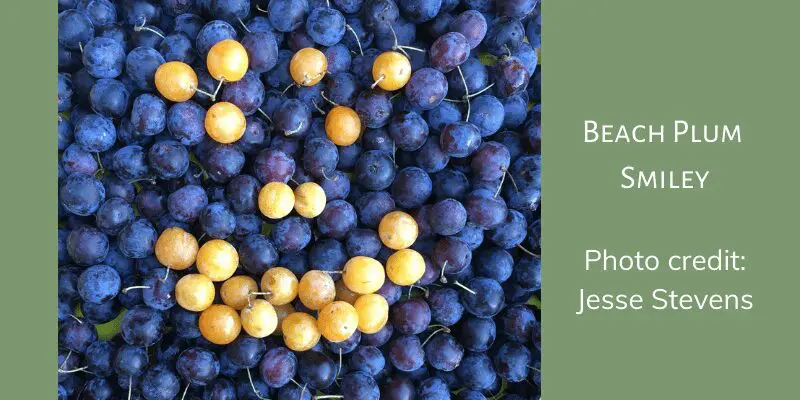
While most European and Japanese plum trees are grafted fruit trees, native plums are usually propagated from seed. As a result, the fruit may vary slightly in color, size, and flavor compared to the parent plant. This variability adds to their charm and biodiversity.
Native Plum Trees Flavor and Uses
The fruit of native plums is smaller and often quite tart. So you may not love eating the fruit fresh off of the tree! Still, native plums are perfect for jams, jellies, fruit leathers, and even liqueurs. Native plum blossoms are often fragrant and dazzling in shades of white or pale pink.
Native Plum Trees and Pollination Requirements
Many native plum trees are self-pollinating so they can be planted on their own and they will still produce a harvest. Others species, like the Beach Plum, require cross-pollination to bear fruit. Before ordering your tree, you'll need to check the pollination needs of your chosen variety.
Popular Native Plum Species
The type of native plum you choose will depend on the location you are growing them in. Some are best for warmer climates, others thrive best in coastal climates. Here are the top three options.
1. Beach Plums (Prunus maritima)
- These plants grow well in sandy soils and coastal plains because they are salt-tolerant, and they have adapted to grow in nutrient-poor, well-drained soils. They are also capable of withstanding extreme weather, harsh winds and fluctuating temperatures.
- They are small, shrubby trees typically grow to a height of 10 feet (3 m) or less. The plums they produce come in a wide range of colours including shades of purple, crimsons and yellow.
- They produce small, tart fruit that is about the size of a cherry. With their thick skin and juicy acidic flesh, they can be perfect for preserves.
- You need to plant more than one tree for cross-pollination.
- They blossom prolifically in the spring and produce fruit in 2-3 years.
- You can learn more about Beach Plums in my podcast interview with Ken Asmus of Oikos Tree Crops.
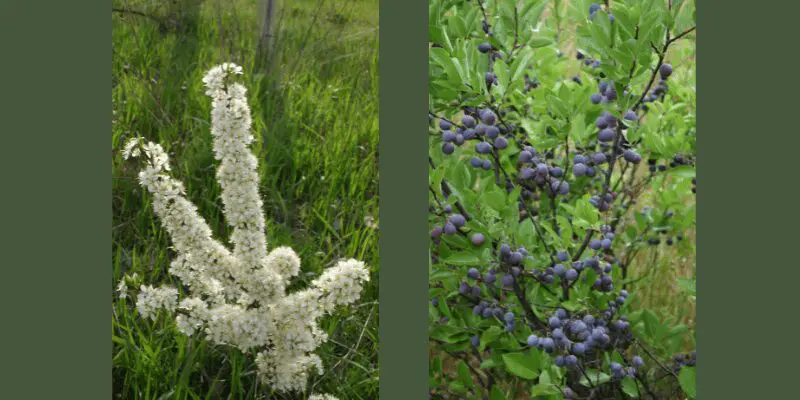
2. American Plum (Prunus americana)
- American plums thrive in heavy clay soils because they tolerate poor drainage. These tough suckering trees grow up to 12-25 feet (3.5 – 7 m) and they can withstand temperature extremes and environmental stress.
- The fruit is sometimes sweet but often sour, depending on the tree. The color ranges from yellow to red.
- These plants offer wildlife habitat and soil erosion control.
3. Chickasaw Plum (Prunus angustifolia)
- Chickasaw plums are perfect for southern gardens and grow well in Texas, Florida and northwards to Virginia. These small trees or large shrubs grow to a height of 10-20 feet (3-6 m) and thrive in sandy to loamy soils. They can tolerate drought, adapt to nutrient-poor conditions, and flourish in warm climates with full sun exposure.
- They produce tart, juicy fruit that was historically dried by Indigenous peoples who used it for food during the winter months.
4. Canada Plum (Prunus nigra)
- Canada plums are exceptionally hardy, thriving in cold climates across northern regions of Canada and the United States. They grow well in areas like northern Quebec, southern Manitoba, parts of Ontario and in northern New England states like Maine and Vermont.
- They grow up to 15 feet tall (4m)
- They are not typically self-pollinating. To produce fruit, they require cross-pollination from a genetically different Canada plum tree or another compatible plum variety that blooms at the same time.
- The edible fruit can be sour and astringent but can still be used for preserves. The main feature of this shrub is that it thrives in the coldest climates and that it has a long blossom time, so it can act as a pollinator for many other types of plum trees
If juicy, sweet, fresh-off-the-tree fruit is your priority, the best plum trees to plant and grow in your garden may instead be the larger European or Japanese plums. Let's explore the difference here.
Grow
Fruit Trees
That Thrive
Fruit Trees
That Thrive
Sign up for our newsletter and get this free eBook
Sign up for our newsletter and get this free eBook
European Plums: Sweet and Classic
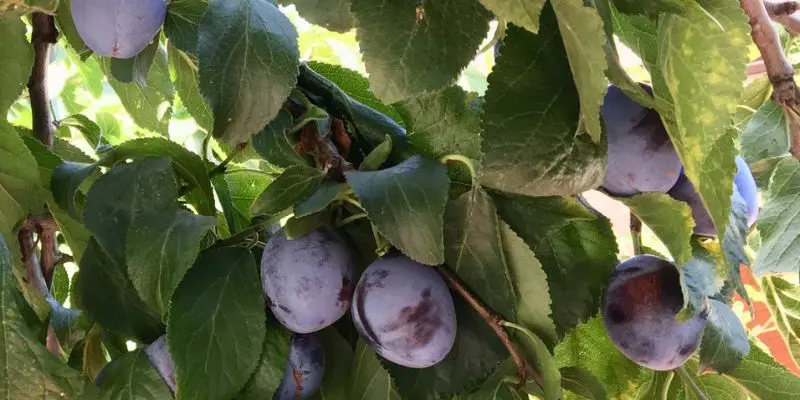
European plums (Prunus domestica) are some of the most popular and versatile varieties, known for their sweet, firm fruit. These trees are widely cultivated for fresh eating, cooking, and drying. But these trees can grow to be large and sprawling, so if you have a small garden, these might not be the best plum tree for your space.
European Plum Flavor and Uses
European plums are firmer and sweeter than other types, making them ideal for drying (like prunes), preserves, and eating fresh.
European Plum Pollination Requirements
Many European plums are self-pollinating, such as the Italian Prune which means that you can often plant just one tree and you will enjoy a harvest. But, planting a second compatible tree nearby (a different variety that blooms at the same time) can improve your yields. If you opt to plant a second tree to benefit from increased pollination, make sure it's another European plum tree, since European plum trees usually do not cross pollinate with Japanese plum trees.
The Best European Plum Cultivars
- Italian Prune plums are oval-shaped with purple-black skin and yellow-green flesh. Italian prune plums are “freestone” plums so it’s easy to separate the flesh from the seed. They have a sweet flavour and are ideal for drying and preserving.
- Greengage plums have yellow-green skin. They are juicy and wonderful to cook with or eat fresh off the tree.
- Catalina plums are large and black-skinned with yellow flesh. These firm, juicy and sweet plums are perfect for fresh eating.
European plums are wonderful. But if you want a plum tree that ripens earlier in the growing season, consider planting a Japanese plum tree.
Japanese Plums: Vibrant and Juicy
Japanese plums (Prunus salicina) are prized for their juicy, vibrant fruit and early bloom time. They’re often softer than European plums and have bold skin colors, from red to yellow. Like European plum trees, these trees will also usually grow to be quite large.
Japanese Plums Taste and Uses
Japanese plums are excellent for fresh eating, canning, and preserves. Their softer texture and juicy flesh make them irresistible straight off the tree.
Japanese Plum Tree Pollination Requirements
Most Japanese plums require cross-pollination, so you’ll need two compatible varieties. For instance, Shiro and Satsuma are popular partners. Check a plum tree pollination chart to determine compatibiilty.
Some of the Best Japanese Plum Tree Cultivars
- Satsuma plums are round and red-skinned. They are wonderful for fresh eating, cooking, canning and preserves.
- Shiro plums have medium to large and round fruit with yellow skin and a mild, sweet flavour that makes them good for cooking, canning and for pies.
- Burbank plums were developed by American plant breeder Luther Burbank in the late 1800s. These trees are considered Japanese plum trees due to their parentage. The Burbank plum tree produces large purple-red fruit with amber flesh and it’s tasty fresh off the tree or canned. Learn about Luther Burbank in this podcast.
Hybrid Plums: The Best of Both Worlds
Hybrid plums combine the best traits of different species. Breeders like Luther Burbank created hardy, disease-resistant trees with excellent fruit quality.
Disease Resistance
Hybrids often inherit disease resistance from their wild ancestors, making them easier to grow in challenging conditions.
Pollination Requirements
Most hybrids require cross-pollination, so plant compatible partners nearby.
Flavor and Uses
Hybrids produce flavorful fruit that works well for fresh eating, preserving, or cooking.
Some of the Best Hybrid Plum Tree Cultivars:
- Toka: Known as the “bubblegum plum” for its sweet, unique flavor. This is an American Japanese hybrid developed by Dr. N.E Hanson from the South Dakota Experiment Station and it was introduced in 1911. This tree is beautiful with white fragrant blossoms in the spring and sweet-tasting red fruits with yellow flesh. It has a long flowering time, so it is a good pollinizer for other varieties.
- Patterson Pride: Cold-hardy and perfect for northern climates. Dr. Cecil Patterson from the University of Saskatchewan developed this cold hardy tree that can survive even in Canadian zone 2 climates. It produces red skinned fruit with sweet golden flesh. It was introduced in 1960.
Where to buy plum trees
If you want to buy a European, Japanese or hybrid plum tree, you will find the best plum trees to plant and the widest selection at a specialist fruit tree nursery near you.
If you want to buy an American plum tree, find a native plant nursery near you and ask for recommendations for species that are found in the wild in your area and that are easy to grow.
Now if you’re opting for an American or wild plum tree, you have another option as well. Instead of buying a tree, you can grow it from seed! You can purchase seeds for wild plum trees from specialist growers like Ken Asmus of OIKOS Tree Crops.
Whichever you choose, be sure to research the tree carefully to ensure that it will survive in your climate zone and suit your unique conditions and needs. If you want to learn how to choose fruit trees that will thrive in your organic garden, check out my book Fruit Tree Garden Design.
Grow
Fruit Trees
That Thrive
Fruit Trees
That Thrive
Sign up for our newsletter and get this free eBook
Sign up for our newsletter and get this free eBook

Susan Poizner
Award-winning author, podcaster, fruit tree care educator and creator of the fruit tree care education website OrchardPeople.com. Learn more about Susan on the about us page.
YOU MAY ALSO BE INTERESTED IN
Best Fruit Trees to Grow: Choosing the Right Trees for Your Climate (Warm, Cold & Tropical)
Let The Sunshine In: Indoor Lemon Tree Care
If you live in a cold climate, growing a lemon tree indoors is still possible. Learn how in this article.

A Superfood in your Garden: How to Grow Seabuckthorn Plants
Learn how to grow nutrient-rich Seabuckthorn berries with plant breeder Bill Schroeder of Agriculture and Agri-Food Canada.

Bush Cherry vs Dwarf Cherry Tree: Best Picks for Your Small Garden
Dwarf cherry tree, or cherry shrub: which is a better choice for your small garden?