Why do some fruit trees thrive while others struggle? We compare two community orchards and explore what soil biology can Read more
Transform Your Soil with Hügelkultur: Growing Fruit Trees Naturally
Are you looking to create a thriving, self-sustaining garden? Has poor soil been a thorn in your side? Hügelkultur might just be the game-changer you're looking for. It's a sustainable gardening technique that turns lifeless soil into a nutrient-rich haven for your fruit trees.
Recently, I caught up with Paul Wheaton, creator of Permies.com and known as the "Duke of Permaculture." He shared insights on this fascinating method. Here’s what we discussed.
By the way, this is a quick summary of an Orchard People podcast. We’ve pulled out the highlights to give you a taste of the conversation—but there’s so much more in the full episode. Scroll down to watch or listen and hear the full story in context.
What is Hügelkultur?
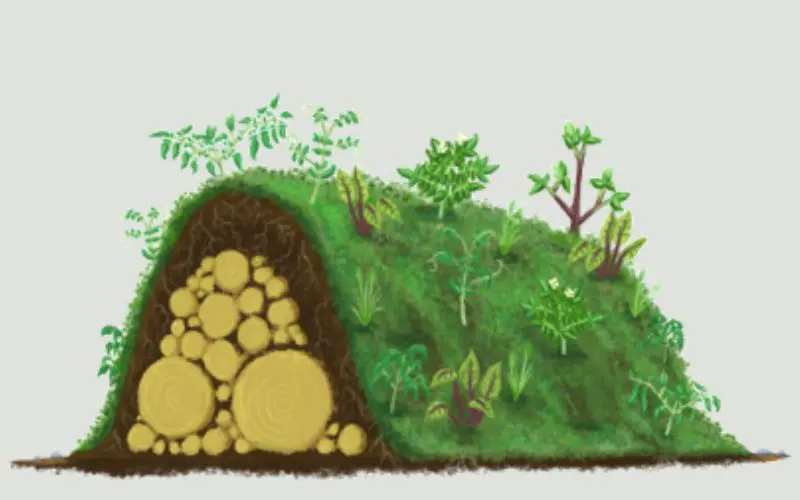
Hügelkultur, a term rooted in German meaning "hill culture," involves constructing raised garden beds filled with decaying wood debris. This technique enriches soil as it breaks down, creating a self-sustaining system that retains moisture and minimizes the need for irrigation.
Paul highlights how hügelkultur can transform garden spaces, especially in urban areas where soil quality is often compromised.
Why Choose Hügelkultur for Your Fruit Trees?
Sustainable Moisture Retention: By embedding large pieces of wood—such as logs and branches—within your garden beds, you create numerous "parking spaces" for water. This means your plants may thrive without consistent watering, even in urban settings where space is at a premium.
Nutrient-Rich Environment: As the wood decomposes, it releases a wealth of nutrients, enhancing soil fertility. This mirrors the natural composting process, offering benefits similar to biochar but with less effort.
Enhancing Biodiversity: The structure not only stores water but also provides a habitat for beneficial organisms that support plant growth.
Crafting Your Own Hügelkultur Bed
Curious to try hügelkultur? Follow these steps to guide your garden transformation:
- Select Your Site: Begin by choosing a space with lots of sun exposure. In urban areas, smaller beds about two to four feet high might be a good balance to avoid neighborhood conflicts and managing space constrictions.
- Build Your Base: Start by layering the bottom with the largest pieces of wood you can source. Avoid species like cedar or black locust, which are naturally resistant to decay.
- Layer the Soil: Cover the wood with a generous layer of soil. A mix of subsoil and any available compost will kickstart the decomposition.
- Irrigate and Wait: The beds need regular watering in the beginning. By the third year, you should notice a surge in plant health and productivity as the bed matures.
Hügelkultur Tips and Resources
Paul shared that constructing hügelkultur beds can be flexible—adapt to what materials you have readily available. Here are a few tips:
Start with What You Have: Utilize fallen branches and local wood sources. The goal is using what you already have. There is no need to transport materials over long distances, although a free service like ChipDrop may be helpful to source logs (and woodchips for mulch) if you live in an area where there are many participating arborists and tree service companies.
Positive Outcomes: There is typically a noticeable improvement in plant vigor and produce yield by the third year, as experienced by many gardeners, including one who combined hügelkultur with mushroom cultivation for added benefits.
Consider Companion Planting: Incorporating beneficial companion plants can increase biodiversity and system resilience. Learn more about companion planting in this article Companion Planting Fruit Trees: A Beginner’s Guide to Permaculture Guilds.
Common Concerns About Hügelkultur
The most frequently asked question is about soil sinking due to decomposing wood. While some shrinkage is inevitable and natural as organic matter breaks down, it enriches the soil and boosts fertility in the process.
Additionally, Paul advises against the use of fine wood chips within the hügelkultur structure, as they could lock up nitrogen, a crucial nutrient for plant growth. Large logs and branches are preferable.
Saying that, wood chips are fantastic for mulching and other purposes. Find out more about wood chips in this article The Best Wood Chips for Fruit Trees.
Final Thoughts and Further Exploration
Hügelkultur empowers gardeners to make the most of their urban environments by turning "waste" wood into rich, productive soil. Whether introducing it through small backyard spaces or larger garden plots, it promises both ecological benefits and personal satisfaction.
Grow
Fruit Trees
That Thrive
Fruit Trees
That Thrive
Sign up for our newsletter and get this free eBook

Sign up for our newsletter and get this free eBook
Ready to Dig Deeper? Check Out the Full Podcast Episode!
Interested in hearing more about hügelkultur and its application? I highly recommend listening to the full podcast episode with Paul Wheaton for deeper understanding and professional guidance.
Listen Now
Watch Now on YouTube
Hugelkultur and Fruit Trees with Paul Wheaton (eps 97)

For further resources and inspiration, visit permies.com, where a community of like-minded folks share tips and experiences in permaculture and sustainable gardening.
Paul goes into a lot of details on his other website richsoil as well!
With hügelkultur, your fruit trees can thrive naturally, paving the way for a more sustainable and rewarding gardening journey. Happy planting!

Susan Poizner
Award-winning author, podcaster, fruit tree care educator and creator of the fruit tree care education website OrchardPeople.com. Learn more about Susan on the about us page.
YOU MAY ALSO BE INTERESTED IN
Why do some fruit trees thrive while others struggle?
When to prune fruit trees
Wondering when to prune fruit trees? In this blog, we explore which trees benefit most from winter pruning and when Read more
When to Plant Bare Root Fruit Trees?
When to plant bare root trees? The best time to plant bare root trees is in the spring or fall Read more
How to Prune Old Apple Trees to Produce Better Fruit
Learn how to prune old apple trees.Pruning these old fruit trees will result in better quality fruit and habitat for Read more