Discover what makes perry pears special, how they're harvested and transformed into traditional pear cider, and why growers are working Read more
Harnessing the Power of Soil Microscopy for Fruit Trees
If you want healthy fruit trees, you need healthy soil. And healthy soil is alive. That’s one of the biggest lessons I’ve learned over the past decade. But how do you know if your soil is truly thriving?
Soil microscopy can give you the answer. With a good microscope, you can actually see who’s living in your soil. Those tiny organisms—bacteria, fungi, and other microbes—break down organic matter and turn it into nutrients your fruit trees can absorb. When you know who’s there, you can learn how to encourage the good guys and build a living soil that feeds your trees naturally.
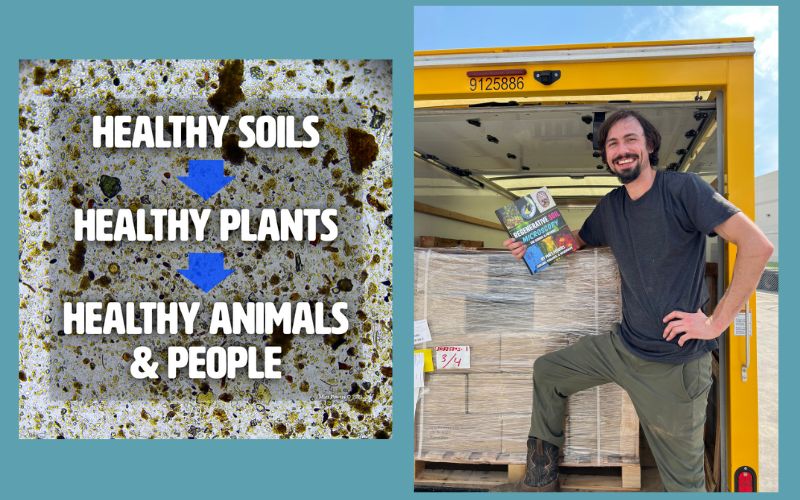
In our latest podcast episode, I chatted about soil microscopy and fruit trees with Matt Powers, a bestselling author, an educator, a citizen scientist, and the creator of the website regenerativesoilscience.com. He’s also a family man who teaches people around the world how to live more regeneratively.
This fascinating conversation explained how soil microscopy works and the lessons learned here may change the way you see your soil forever.
By the way, this is a quick summary of an Orchard People podcast. We’ve pulled out the highlights to give you a taste of the conversation—but there’s so much more in the full episode. Scroll down to watch or listen and hear the full story in context.

How Soil Microscopy Helps Us Understand Soil Health
We've all heard about the importance of healthy soil filled with organisms that aid plant growth. But what exactly lives in our soil? Is it a thriving community of microbes, or is it dusty and barren?
With soil microscopy, we can answer these questions by having a peek at soil life at a microscopic level. This perspective reshapes our understanding of soil health, showing us that biology plays a critical role, beyond chemistry.
Soil microscopy is essentially about magnifying tiny soil components to understand their composition and dynamics. With Matt Powers as our guide, we learned that soil microscopy allows us to see the microbial life that sustains plant health—an exciting revelation for any home grower.
How is Soil Microscopy Different than Traditional Soil Testing?
Traditional soil tests (done by labs) focus on chemistry. Fruit trees need nutrients. They are minerals in the soil. So the soil tests test the soil minerals and tell you how much they find.
What these soil tests do not tell you is if there are organisms in the soil that can break down those nutrients and make them in a form fruit trees and other plants can absorb (Hint: this will be a liquid form since fruit trees don't have teeth and can't chew.
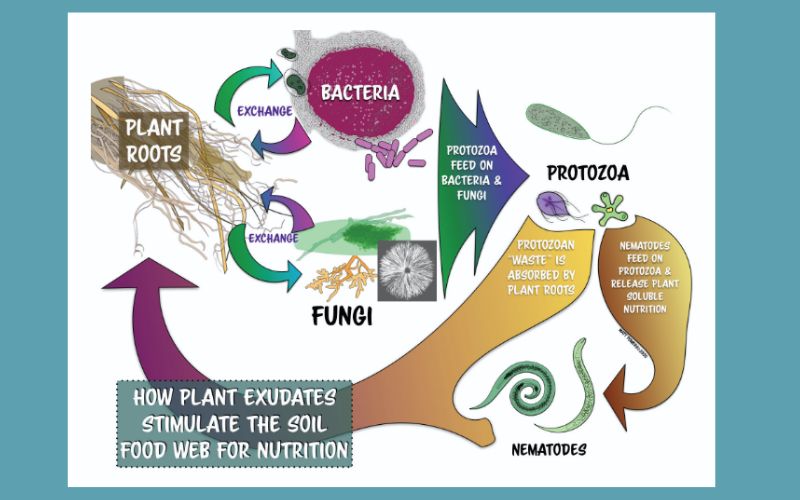
We've realized that a biological perspective is necessary. Through soil microscopy, understanding the biology of soil—especially its microbiome—becomes achievable, revealing how microbes interact with and support plant roots.
The Microscopic Soil Community: Who are The Characters?
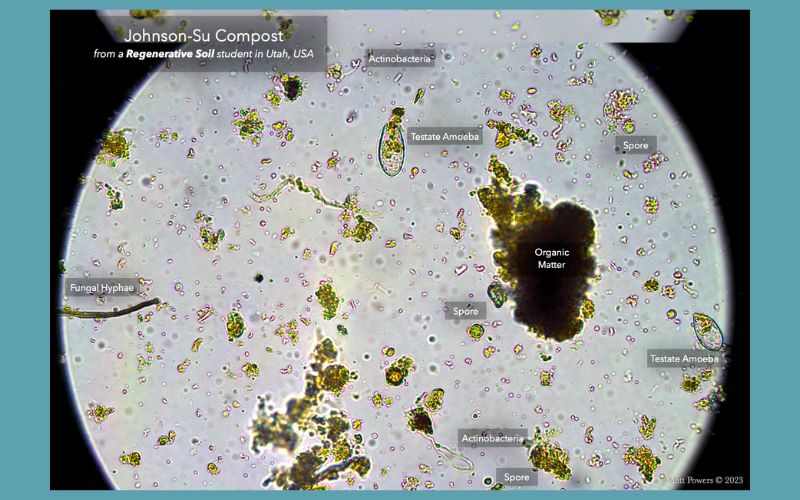
Microscopes reveal a complex community at work in the soil. The characters below are listed from smallest to biggest.
- Bacteria: Bacteria typically appear as rods or spheres. Understanding the balance of these organisms is essential for optimal soil health. These are usually the smallest in this group and tend to support annual crops.
- Fungi: Fungi typically resemble branching filaments like roots. They are 10 times bigger than bacteria on the whole.
- Micorrhizal Fungi: These fungi form a vital symbiotic relationship with plants, aiding nutrient uptake and improving soil structure. More than 97% of plants rely on this relationship!
- Yeasts: Yeasts look like giant bacteria that have organelles. They are pretty much everywhere and play an important role in making products like bread and beer.
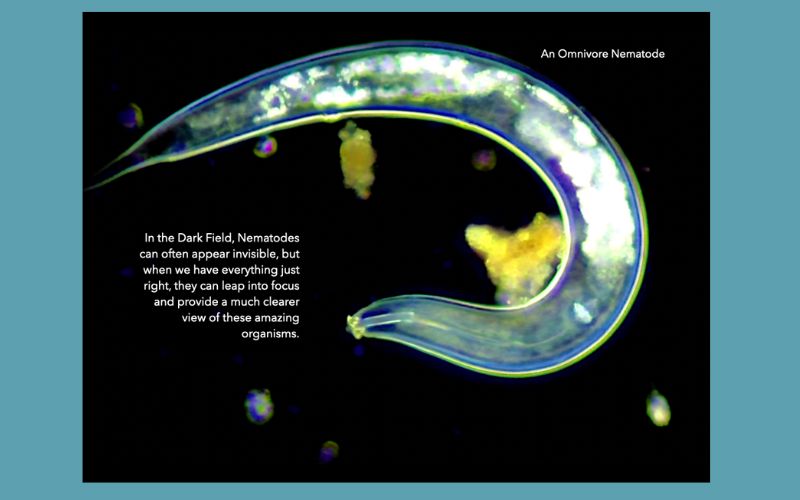
- Nematodes: These tiny, worm-like creatures play crucial roles by preying on bacteria and fungi. They can even help you control fruit tree pests.
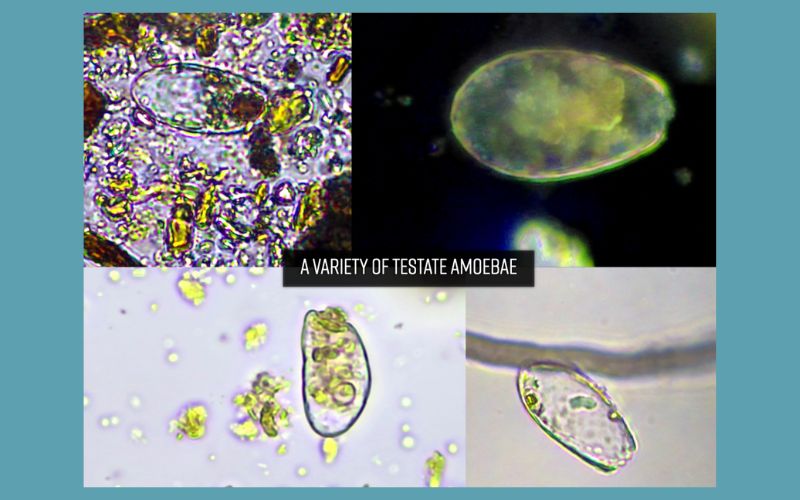
- Amoebae: They are about the same size as nematodes. Matt says, "They are preyed upon by nematodes, but they also seemingly can prey upon nematodes."
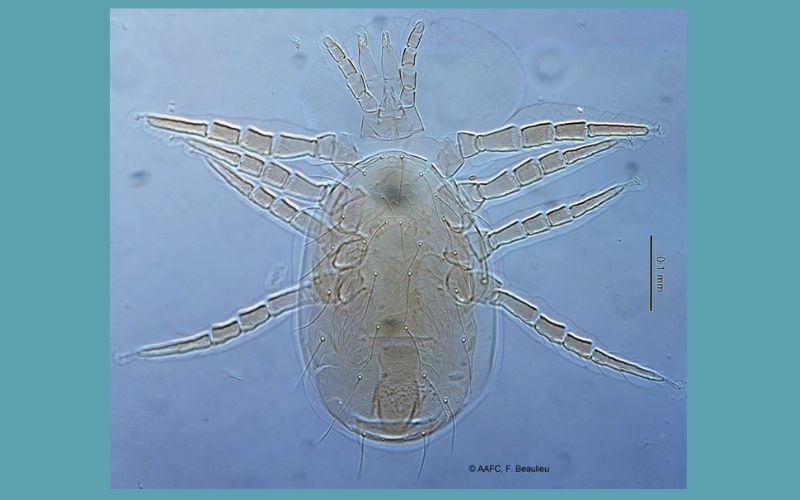
- Micro-arthropods: These are often overlooked tiny insects like springtails, no-see-ums, and mites. They are the largest and are at top of the food chain within the soil food web.
Easy Soil Tests That You Can Do at Home
Not everyone can afford an expensive microscope to test their soil. So Matt shared some simple methods to evaluate and improve soil quality:
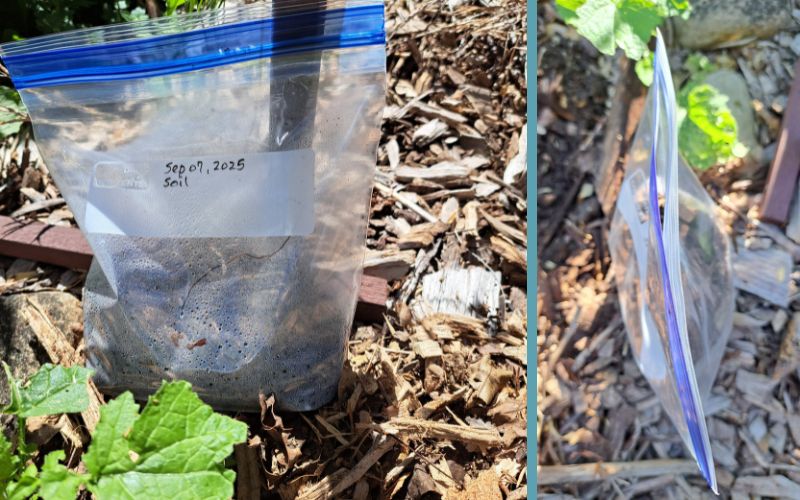
- Do you have soil microbes test #1? Find out with the The Moisture Test: Place a soil sample (roughly 2 cups) in a quart bag, partially closed, for a week or more. Store this on the ground out of direct sunlight. Moisture retention indicates beneficial soil attributes.
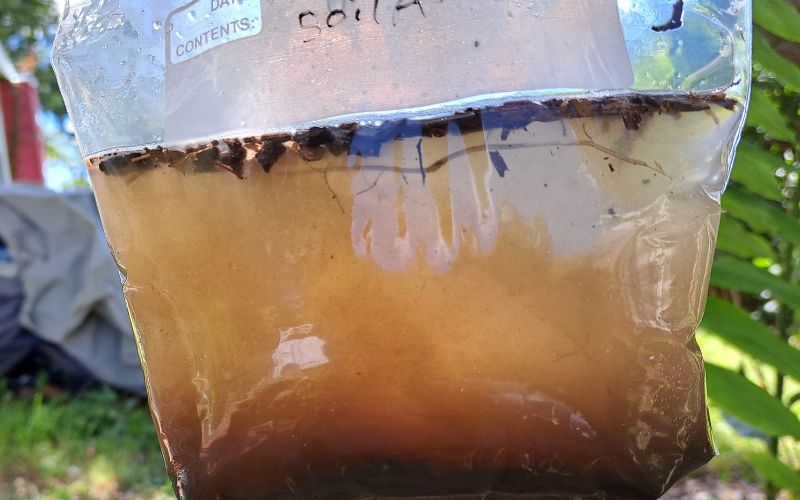
- Do you have soil microbes test #2 The Mixing Test: Gently mix soil with water (roughly 1 part soil to 10 parts water) in a jar.
- Opaque, or cloudy, mixtures indicate active microbes that have broken down organic matter. This means that the nutrients are mixed in with water and the fruit tree roots can easily absorb.
- If it stays transparent and you can see through it, there is not enough organic matter that have been broken down by microbes.
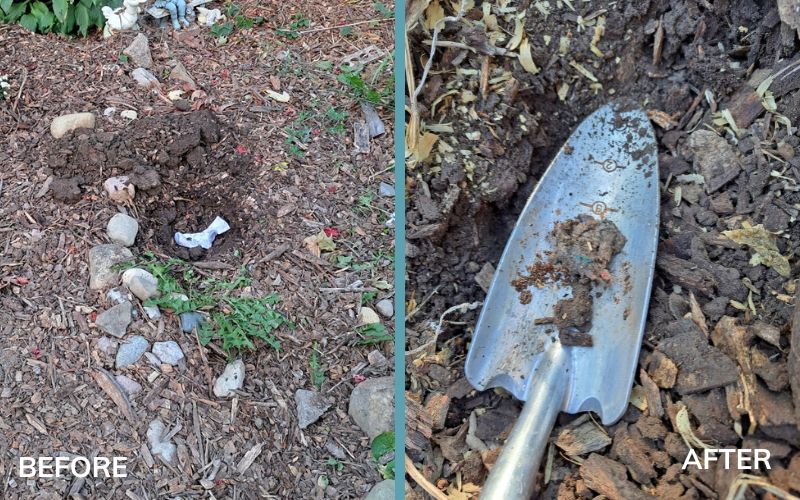
- Do you have soil microbes test #3. In a previous episode we talked about how you can Bury Your Brief Test (or Soil Your Socks Test) to check your soil health.
How to get more beneficial microbes in your soil
Once you know what you have...want more. Always room for improvement. Here are some tips
- Use DIY sprays made with natural ingredients like fish oil, neem oil, and molasses a few times across the growing season to help keep them healthy and protect them from bugs and diseases.
- Mulch with arborist wood chips around fruit trees to keep moisture in the soil, feeds the beneficial microbes, and suppresses weeds.
- Mulch with other stuff like straw, compost, and even young tree branches for similar benefits.
- Soak seeds and fruit tree roots with effective microbes. This is one of Matt's top recommendations. Read more about this below.
What are Effective Microbes and How to Use Them to improve soil
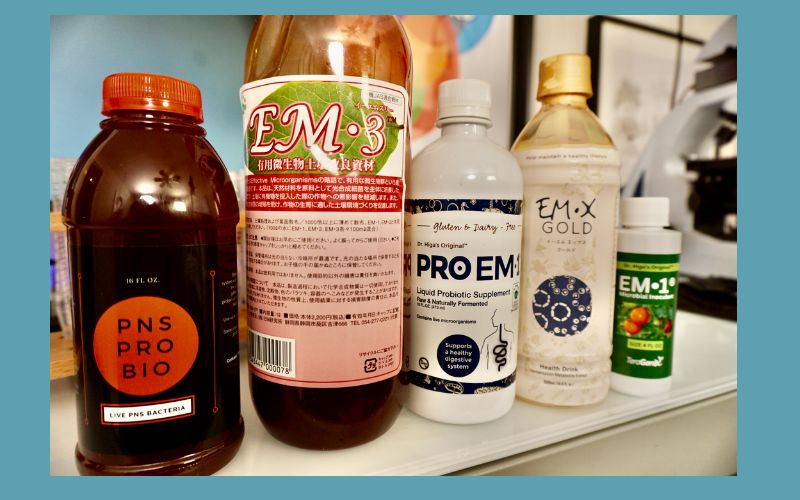
Matt is a great believer in using commercially available endophytes, also called effective microbes. They are like probiotics for our gut, like yogurt, that plants absorb into their structure.
We learned that introducing endophytes to plants by soaking seeds or tree roots and/or spraying can greatly benefit plant health. An example of a product that Matt advocates is called EM-1 and it is a blend of bacteria and yeast.
does mycorrhizal fungi work?
These fungi form a vital symbiotic relationship with plants, aiding nutrient uptake and improving soil structure. Sadly, synthetic fertilizers often disrupt these relationships by giving the plants a quick fix (nutrients), which then reduces the work to be done by and the presence of these beneficial fungi. Understanding this connection underscores the importance of preserving and supporting these fungi in our soil management practices.
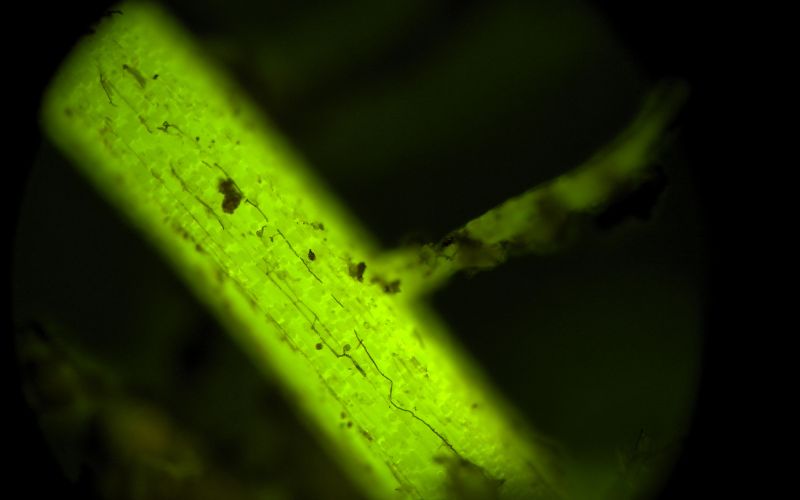
If you are purchasing inoculants, Matt emphasizes the importance of considering your sources carefully. With the help of microscopes and being able to see the small things big, people are figuring out that many are, unfortunately, fake.
Matt recommends MycoApply and Xtreme Gardening as excellent sources.
Wrapping Up
Matt Powers’ insights into soil microscopy offer a transformative view of soil health, emphasizing biological components that sustain thriving fruit trees. This episode sets up listeners with actionable steps to examine and enhance their soil quality.
I encourage you to listen to the full podcast episode for an in-depth understanding, and explore more resources on regenerative soil practices sprinkled throughout the article. Also, consider joining our email list for ongoing insights, and let's continue our journey towards healthier, more fruitful gardens.
Grow
Fruit Trees
That Thrive
Fruit Trees
That Thrive
Sign up for our newsletter and get this free eBook
Sign up for our newsletter and get this free eBook
Check Out the Full Podcast Here
Soil for Fruit Trees Under the Microscope (Eps 120)


Susan Poizner
Award-winning author, podcaster, fruit tree care educator and creator of the fruit tree care education website OrchardPeople.com. Learn more about Susan on the about us page.
YOU MAY ALSO BE INTERESTED IN
Why Grow Perry Pears? Discover the Fruit Behind Traditional Pear Cider

When to prune fruit trees
Wondering when to prune fruit trees? In this blog, we explore which trees benefit most from winter pruning and when Read more

How to Prune Old Apple Trees to Produce Better Fruit
Learn how to prune old apple trees.Pruning these old fruit trees will result in better quality fruit and habitat for Read more
The Best Wood Chips for Fruit Trees
What is the best kind of wood mulch for fruit trees? And can fresh wood chips introduce disease? Find out Read more